5 Health Investments A Cardiologist Would Prioritise For Your Home
Indian Express
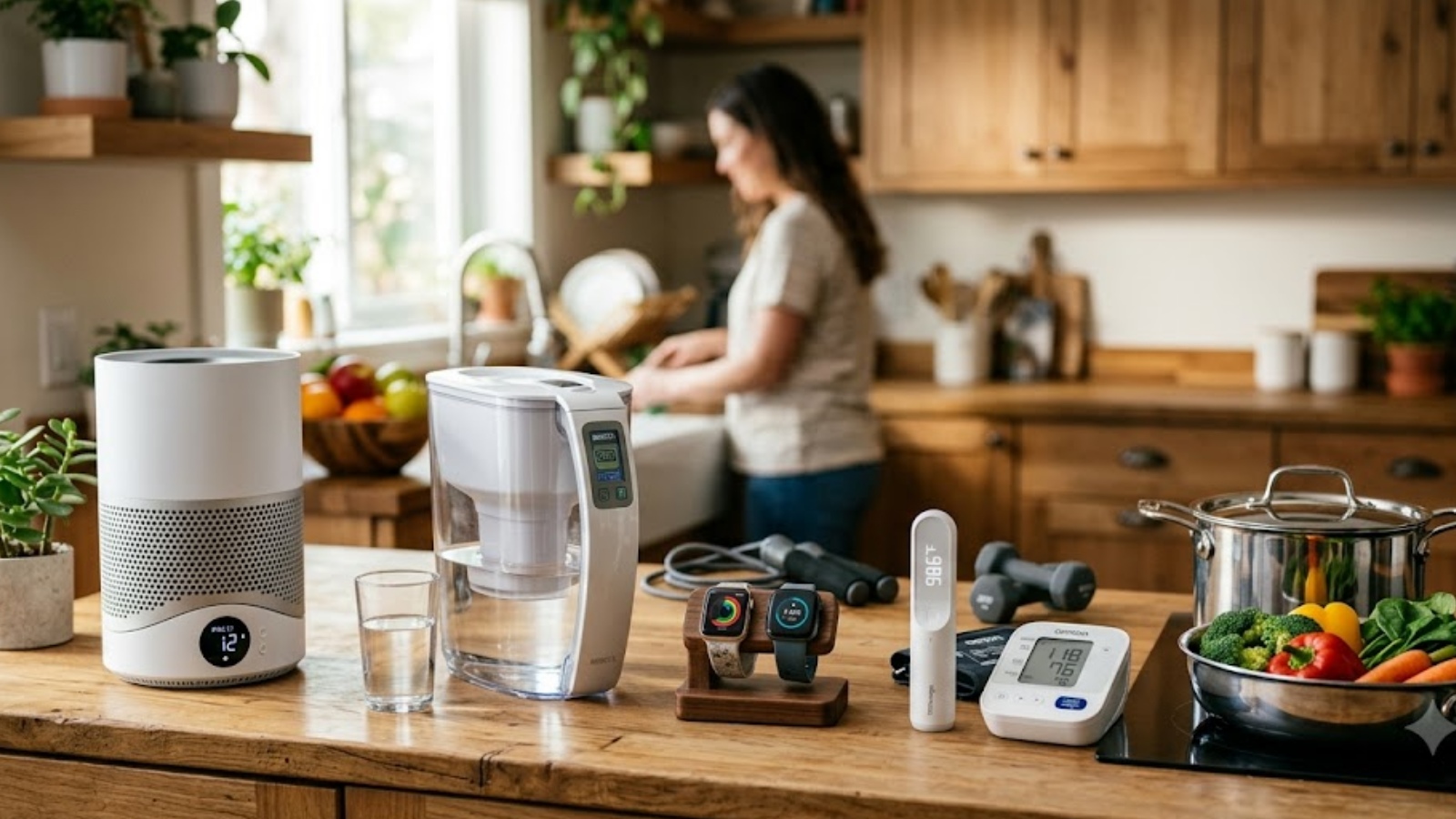
We often associate investing in our health with expensive supplements, smart devices, or elaborate annual health packages. But some of the most useful health investments can be far simpler
. Cardiologist Dr Vimlesh Pandey, Consultant Cardiologist, KIMS Hospitals, Thane, says households should focus on tools and habits that help them know their numbers, stay physically active and manage cardiovascular risk factors.
“If I were having to make a priority list, I would choose a validated blood pressure monitor since high blood pressure is one of the main risk factors to cause a heart attack, a stroke, kidney disease and heart failure, even though it can stay completely silent for many years,” Dr Pandey tells indianexpress.com.
However, simply owning a BP monitor is not enough. How you measure your blood pressure can significantly influence the reading. Dr Pandey recommends sitting quietly for a few minutes before taking a reading, keeping both feet on the floor and placing the arm at heart level. The cuff should also be of the correct size.
2. Something that keeps you physically active
“The second investment would be something intangible, namely a system which makes it easier to engage in physical activity regularly,” he said.
Resistance training can also become increasingly important with age because maintaining muscle strength helps preserve physical function and independence. Dr Pandey said, “Resistance exercises help to keep muscle mass, strength and functional capacity at a good level as people get older.”
However, people with established heart disease or other serious medical conditions should choose an exercise routine appropriate to their health status.
“A glucometer can help people who have diabetes to understand the effect that food, medication and activity have on their glucose levels,” said Dr Pandey.
Most importantly, one abnormal reading should not prompt someone to change their medication. “People must not alter their medication according to a single isolated reading; instead they should consider trends and talk to their doctor about any persistent abnormalities,” Dr Pandey advised.
Dr Pandey recommends health checks based on a person’s age and individual risk profile, particularly monitoring blood pressure, blood sugar, cholesterol and weight.
This becomes especially relevant because cardiovascular risk factors can develop without obvious symptoms. “The most expensive health investment isn’t always the best one,” Dr Pandey said. A dependable BP monitor, a way to remain physically active and the habit of regularly checking and managing cardiovascular risk factors may offer greater benefits than accumulating wellness products.
Dr Chopra also recommends replacing damaged non-stick cookware with options such as stainless steel or cast iron, as well as periodically testing water quality when the household depends on borewell or tanker water. Dr Pandey agrees that these everyday choices can contribute to overall health, but says they should be kept in perspective.
“High-quality cookware and safe methods of preparing food can reduce unnecessary exposure to contaminants, while safe drinking water is essential for general health,” he said.
DISCLAIMER: This article is based on information from the public domain and/or the experts we spoke to. Always consult your health practitioner before starting any routine.